Writing & journals
Guided books that help people name survival, meaning, boundaries, grief, and change.
 Perception of LifeJunior Pemberton, LCSW
Clinical leader · therapist · writer
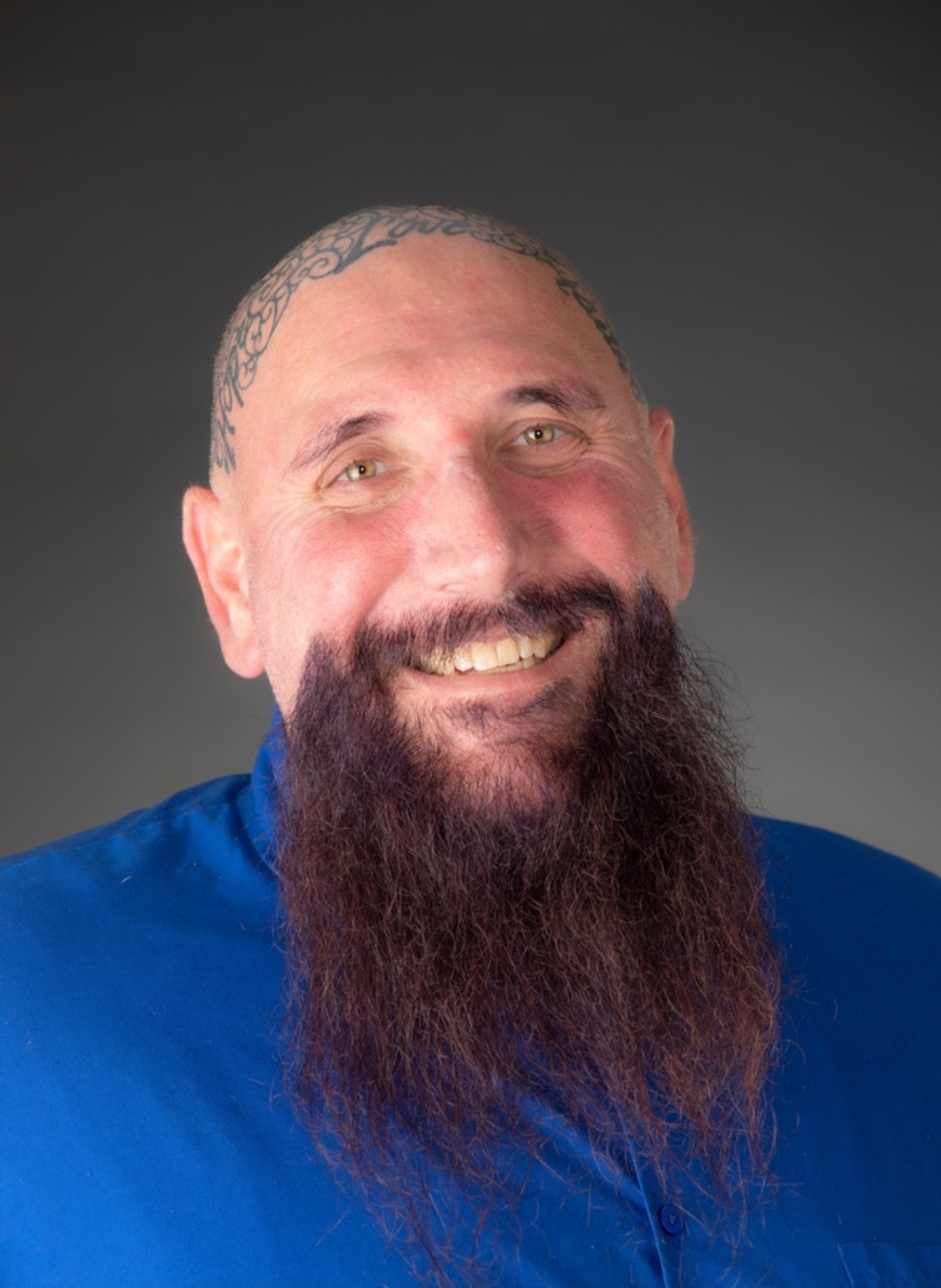
The tattoos and tough exterior may catch people off guard. What they quickly find behind them is warmth, compassion, directness, and a serious commitment to helping people do honest work.
Junior Pemberton, LCSW, is the creator of PLRM and the person behind Perception of Life’s clinical work, guided journals, and training.
Lived experience matters
My own past includes addiction and living a rough lifestyle. Those experiences don’t replace clinical training, but they shape the way I listen, the way I recognize survival, and the way I refuse to reduce a person to the worst thing that has happened to them.
For more than a decade, I have worked with addiction, grief, trauma, mental illness, violence, and abuse. I connect especially well with combat veterans and people who have lived through experiences that others struggle to understand.
You don’t have to censor your story or soften its rough edges here. The work isn’t about “fixing” you. It’s about understanding what shaped you, uncovering strengths you may not recognize, and building a life that feels freer, steadier, and more your own.
My style is human before it’s polished. I can sit with hard language, dark humor, complicated histories, spiritual questions, and the parts of a story that don’t fit neatly into a clinical box. Warmth matters. So do honesty, responsibility, and practical movement.

Who I work well with
I tend to connect well with adults who have done hard things, lived through hard things, or have spent years feeling misunderstood, dismissed, judged, or “too much.”
The Perception of Life philosophy
Hard truths belong inside enough safety and compassion that a person can actually use them. I walk beside people, not above them. I won’t confuse judgment with accountability or comfort with healing.
Compassion without accountability becomes an excuse.
Accountability without compassion can become shame.
Experience behind the work
I’m a Licensed Clinical Social Worker with more than a decade of work across behavioral health. My roles have included therapist, clinical director, program developer, consultant, and national Accelerated Resolution Therapy trainer.
That work has included trauma and PTSD, addiction recovery, grief, violence, abuse, serious mental illness, and the operational realities of treatment programs. I use approaches including CBT, DBT, ART, philosophy, and practical skills, but no method matters more than the person in front of me and the judgment required to use it responsibly.
People often choose this work because they want someone who gets it, won’t make them clean up the truth before saying it, and can balance compassion with a clear expectation that change requires participation.
One philosophy, several forms
Perception of Life is larger than a therapy practice. It’s the home for the writing, clinical tools, teaching, program design, and direct work that grew from the same question: what changes when we examine the meaning beneath the story?
Guided books that help people name survival, meaning, boundaries, grief, and change.
Documentation Assistant for clinical writing, plus Group Builder for creating and saving groups.
Direct, compassionate therapy informed by CBT, DBT, philosophy, lived experience, and trauma-focused care.
Accelerated Resolution Therapy
ART is a focused approach that helps the brain reprocess traumatic or painful memories so the distress connected to them can decrease. A person doesn’t have to describe every detail aloud for the work to be meaningful.
ART is one tool, not the whole identity of the work. The approach is always about finding the right balance of practical skills, honest insight, support, philosophy, and meaning for the person in front of me.
Contact Junior